
During our sojourn through the Americas; leaving the kak’ik (turkey stew), Atol de Elote (corn and cacao drink), picbil shawls and active volcano hikes behind us in Guatemala; we dipped in to Honduras, for the ancient Mayan site of Copán Ruinas, beautiful ruby red macaw parrots, ‘pupusas’, and yes, a little bit of chocolate!.

Copán is an impressive, culturally significant Mayan site, one of the most important archaeological locations in the Americas, and lucky for us when we were there is was eerily quiet! Back in its day, the city sprang up from a small agricultural settlement circa 1000 BCE, developing into a significant city of estimated 20,000 people by the early 9th century. It is estimated that at least 16 kings ruled over this successful city over approximately 400 years, ’till around 820CE. What happened then? Well, like the phrase goes “All good things must come to an end”, the city began to decline due to a collection of challenging factors; deforestation, over population, drought and…political unrest. Sound familiar?
What was left behind is a site that has fascinated archaeologists for centuries. Such interesting artefacts included the hieroglyphic stairway, which is the longest pre-Colombian hieroglyphic inscription in the Americas, and one of the most remarkable monuments from Mayan classic period. The steps tell the story of much of that dynasty of 16, starting with the founder of the dynasty, K’inich Yax K’uk’ Mo. Many other inscriptions dotted around Copán relate to the ritualistic and dedicatory information.

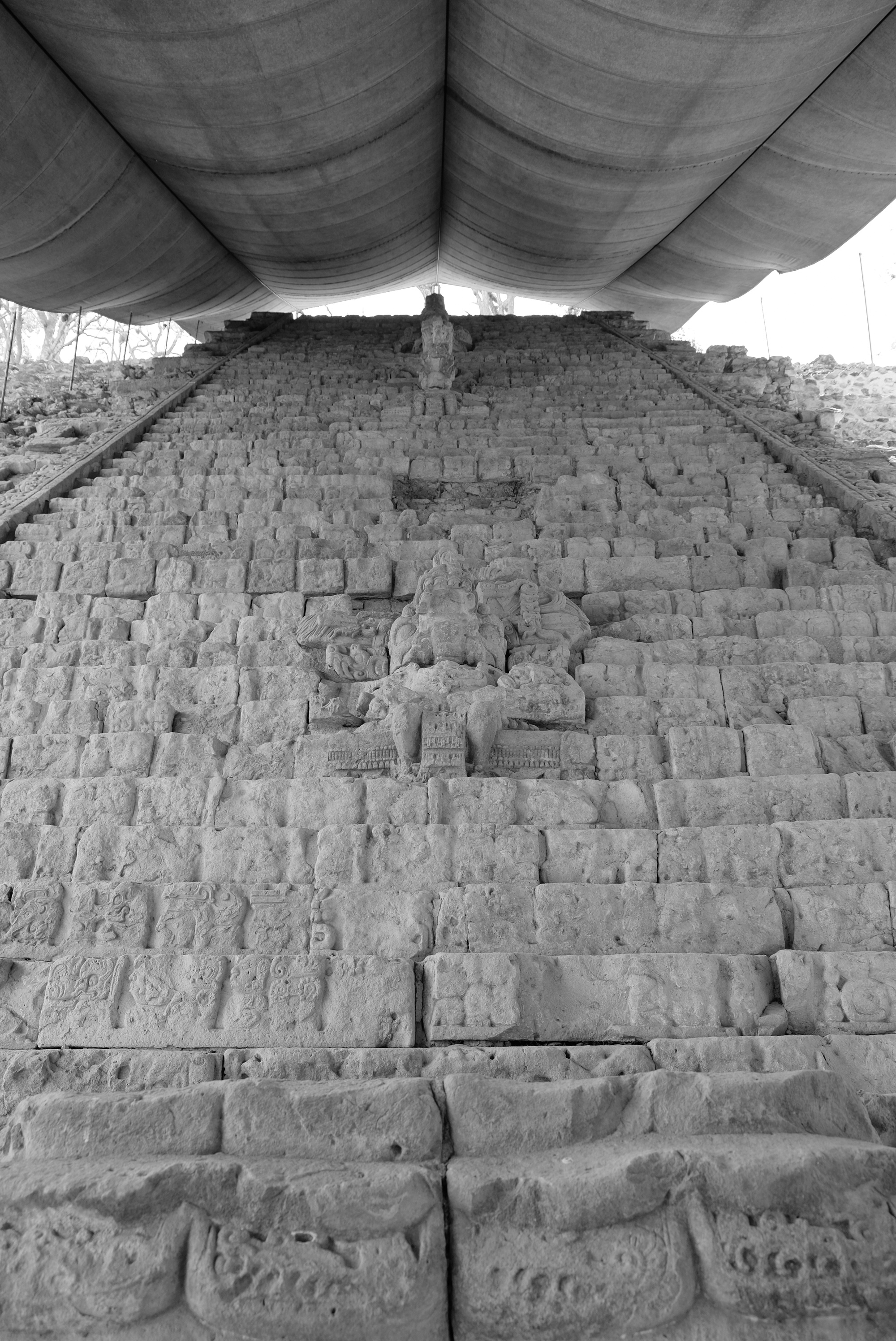

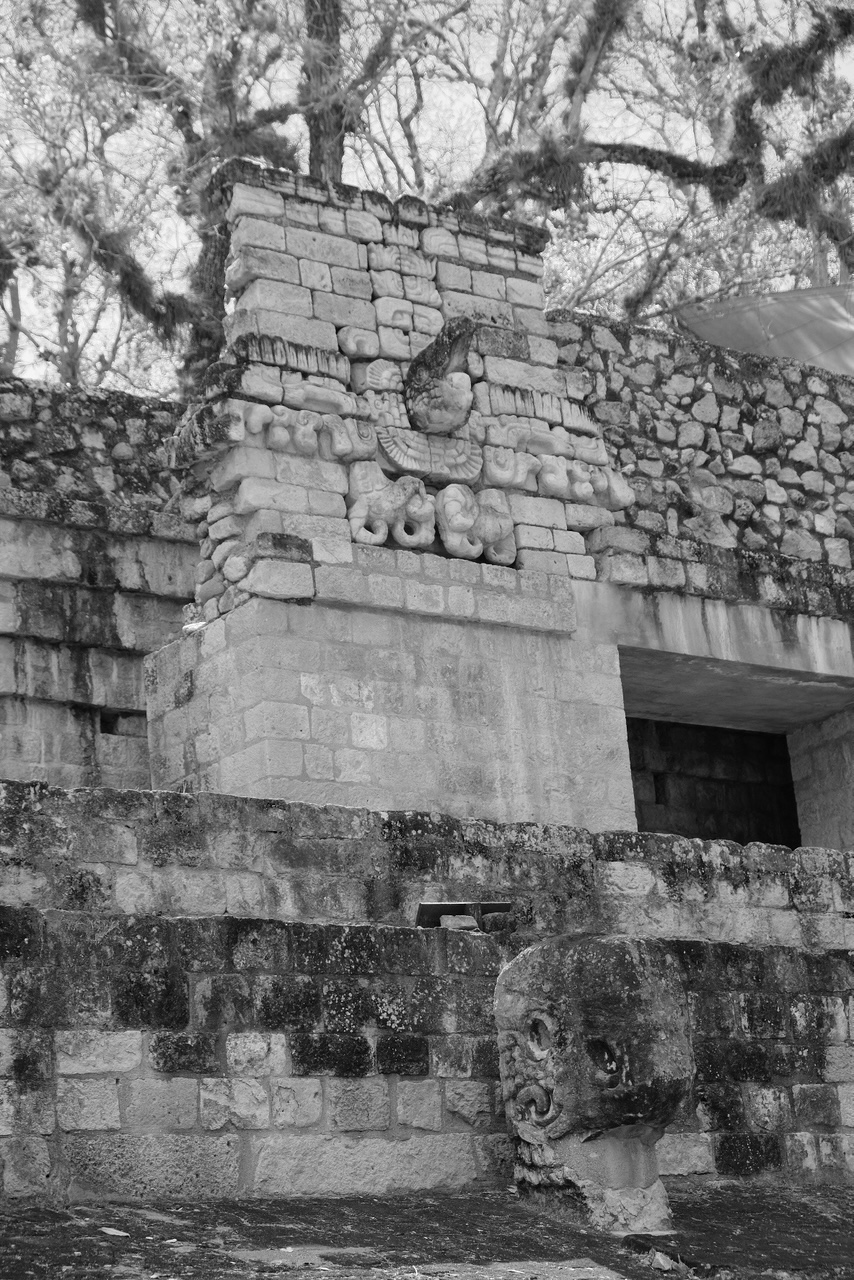

The site is vast and the artefacts incredibly well preserved, many depicting several of the animals considered by the Maya to be important or sacred to the Xibalba, or Mayan underworld, and some were specific to what is now Honduras.
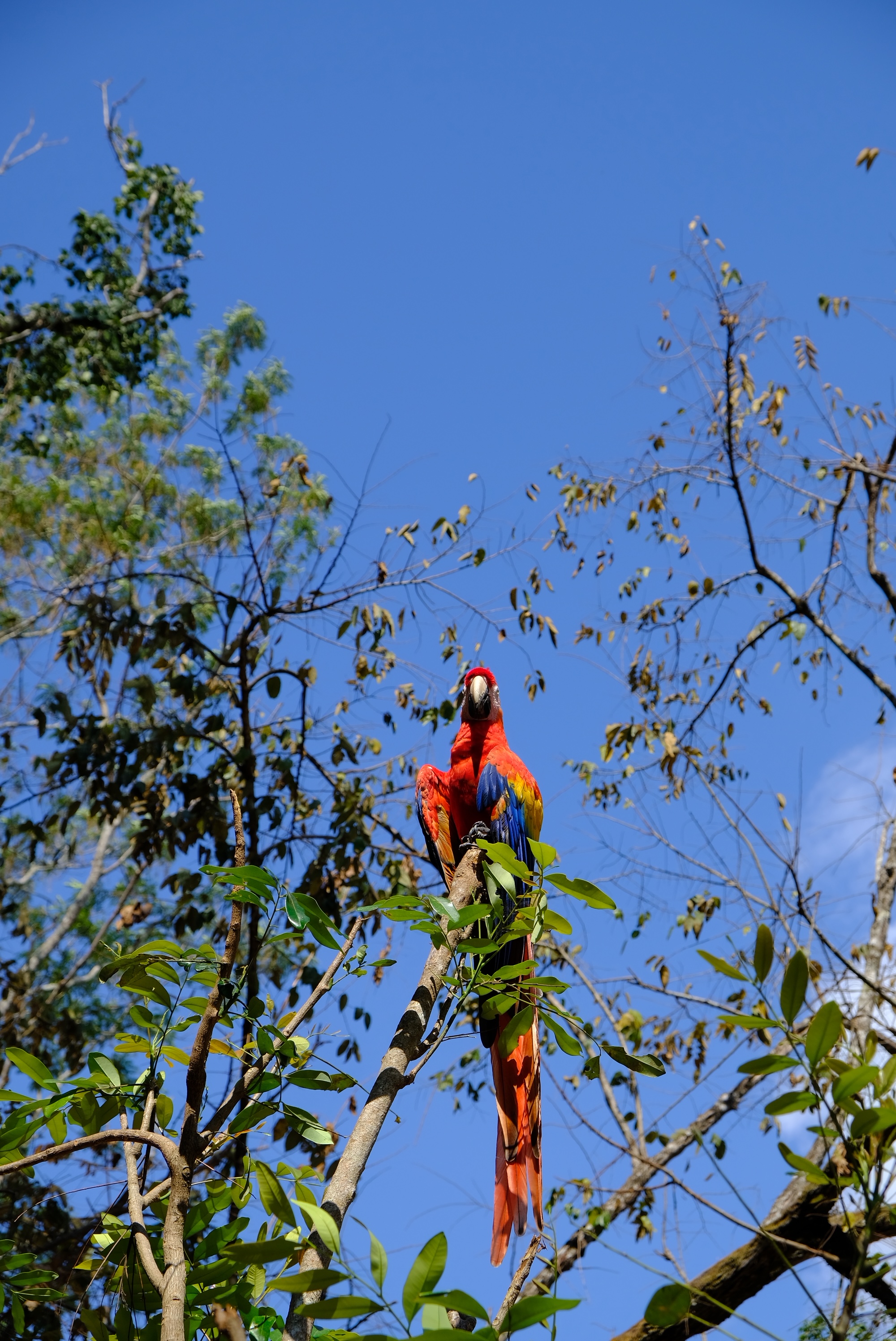
These included the balam or jaguar (luckily we didn’t encounter one), revered as the greatest predator of Copán’s jungles, due to his size and strength. He was seen as the synonym for brute force, violence and destruction. Snakes were considered a symbol of immortality and incarnation of the spirit of the dead. And then there were the macaws, of which we had the pleasure of encountering many of them during our stay. These impressive birds are a powerful symbol, often associated with the sun, dynasties, and deities of the Mayan world. It is even believed that it was a macaw, Great-Sun First Quetzal Macaw who was the founding father of the dynasty. They were revered as a god by the Maya, believing them to represent the sun and sky. The macaw’s presence in Copán, highlights their significance in their culture, and they are also the national bird of Honduras.




We stayed a few nights at Iguana Azul (or Blue Iguana) hostel during our time in Copán which was suitably cosy, and close to the ruins and everything else the town had to offer. While here we had hoped to also explore ‘The Tea and Chocolate Place’, although disappointingly they were closed the whole time we were there. Much like William V. Wells’ continuous quest for gold in Honduras, documented in his 1857 manuscript ‘Explorations and Adventures in Honduras’, I wasn’t going to be deterred that easily from finding my edible gold! Luckily, after a little wander around the town of Copán we stumbled upon TjokoMaya and what a treat that was, locally-made chocolate with both regional and Honduran beans. They only had two options made with just Honduran cacao available at the time – a 45% milk and an 80% dark – both of which satisfied the craving and made suitable snacks – lasting me all the way to the Corn Islands.
At the time of this visit, bars made with Honduran cacao beans were not all that common in general craft chocolate circles, but these little bars still gave a nod to what has now become commonly identified flavour notes detected in Honduran cacao; hints of fruit, sometimes berries, nuts, and spices, sometimes a hint of mild acidity.

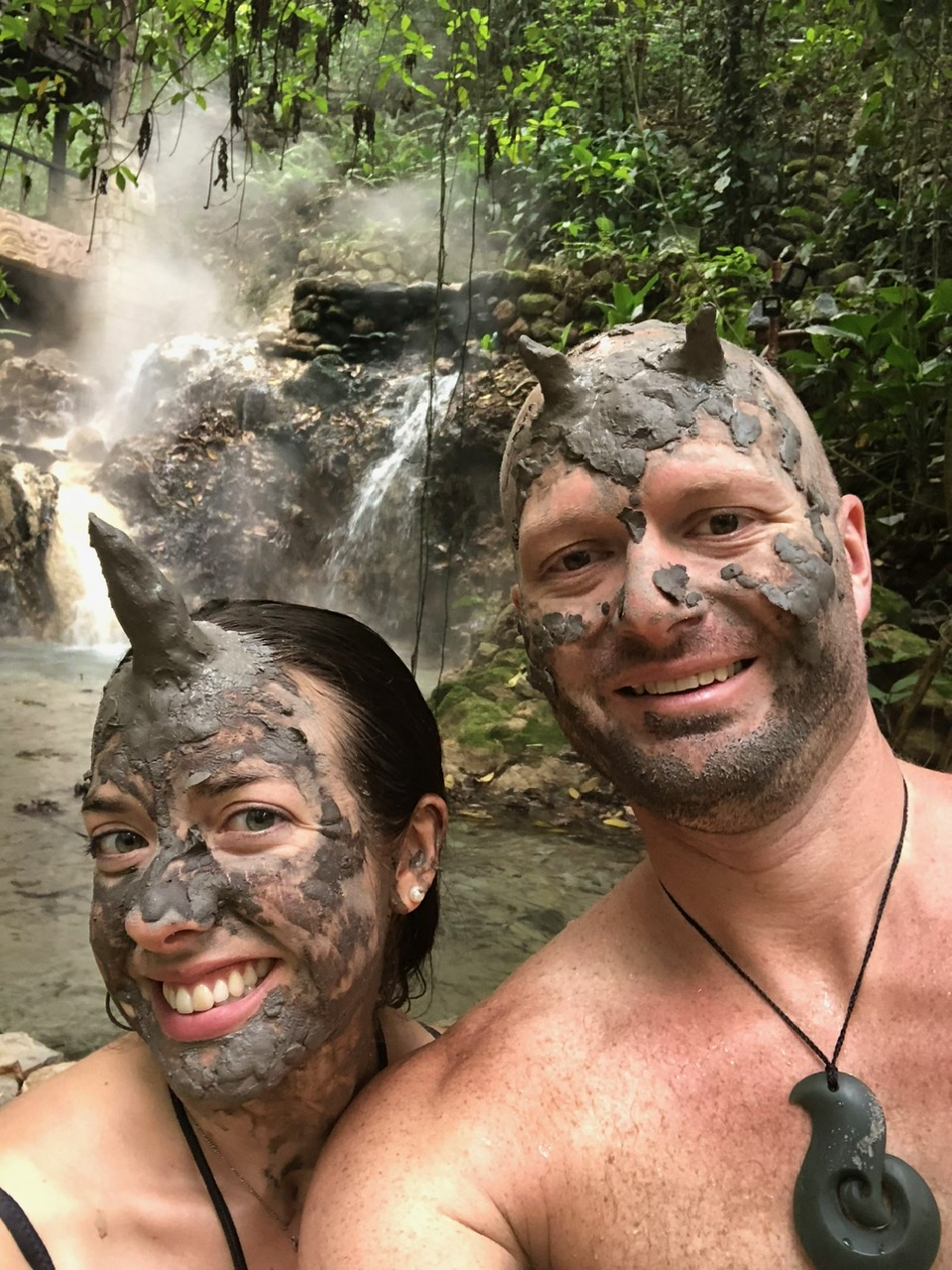
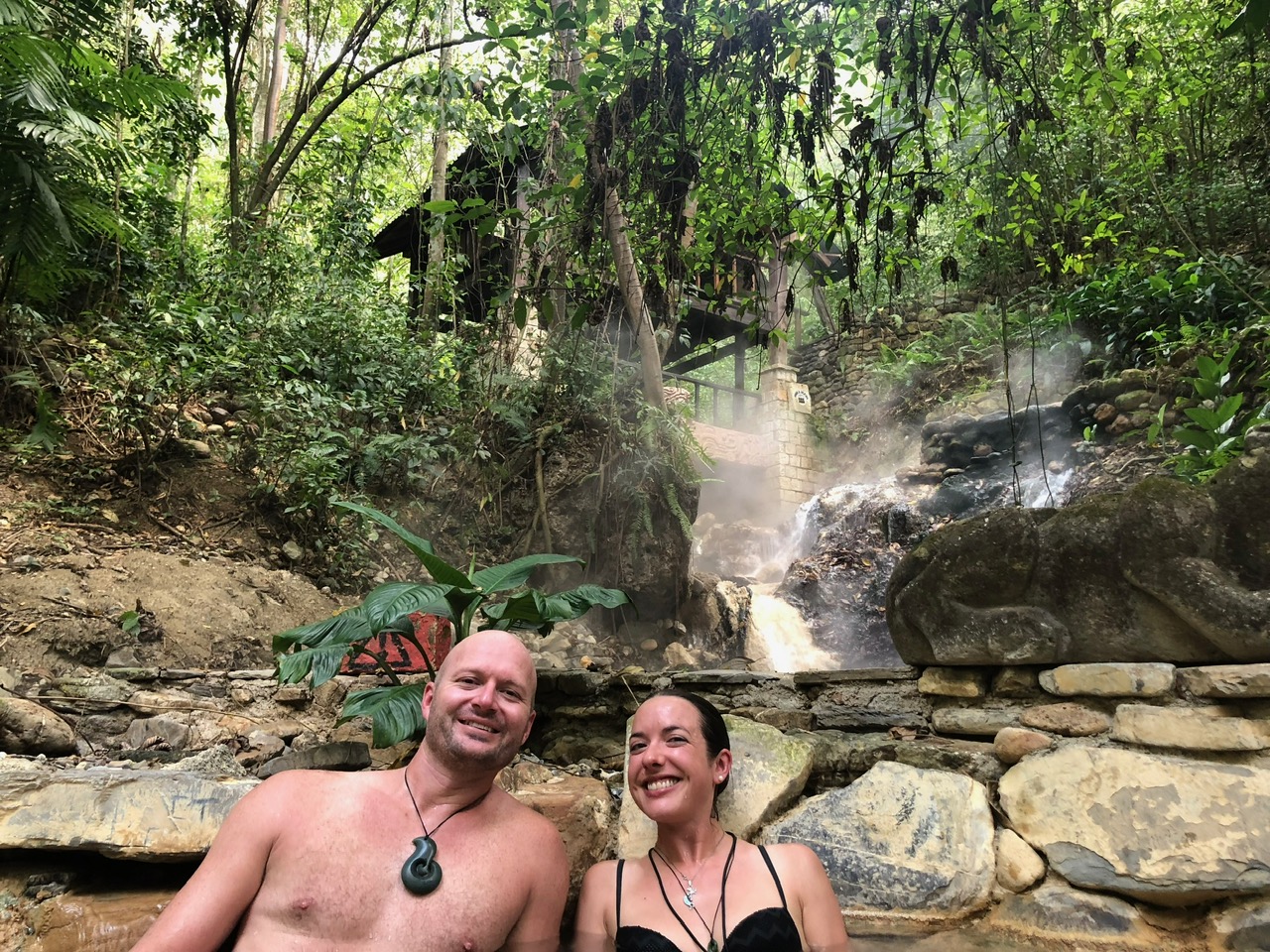
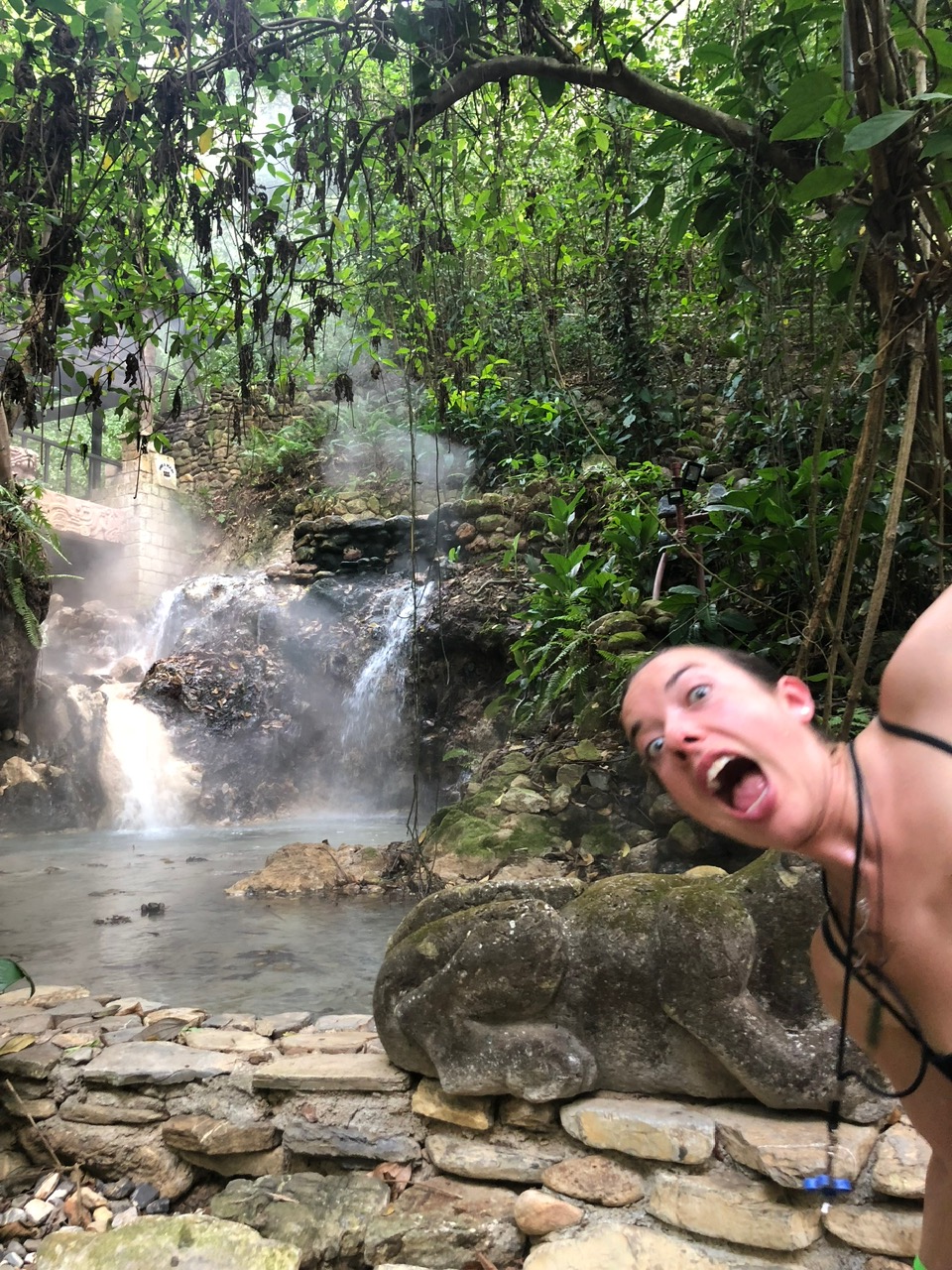
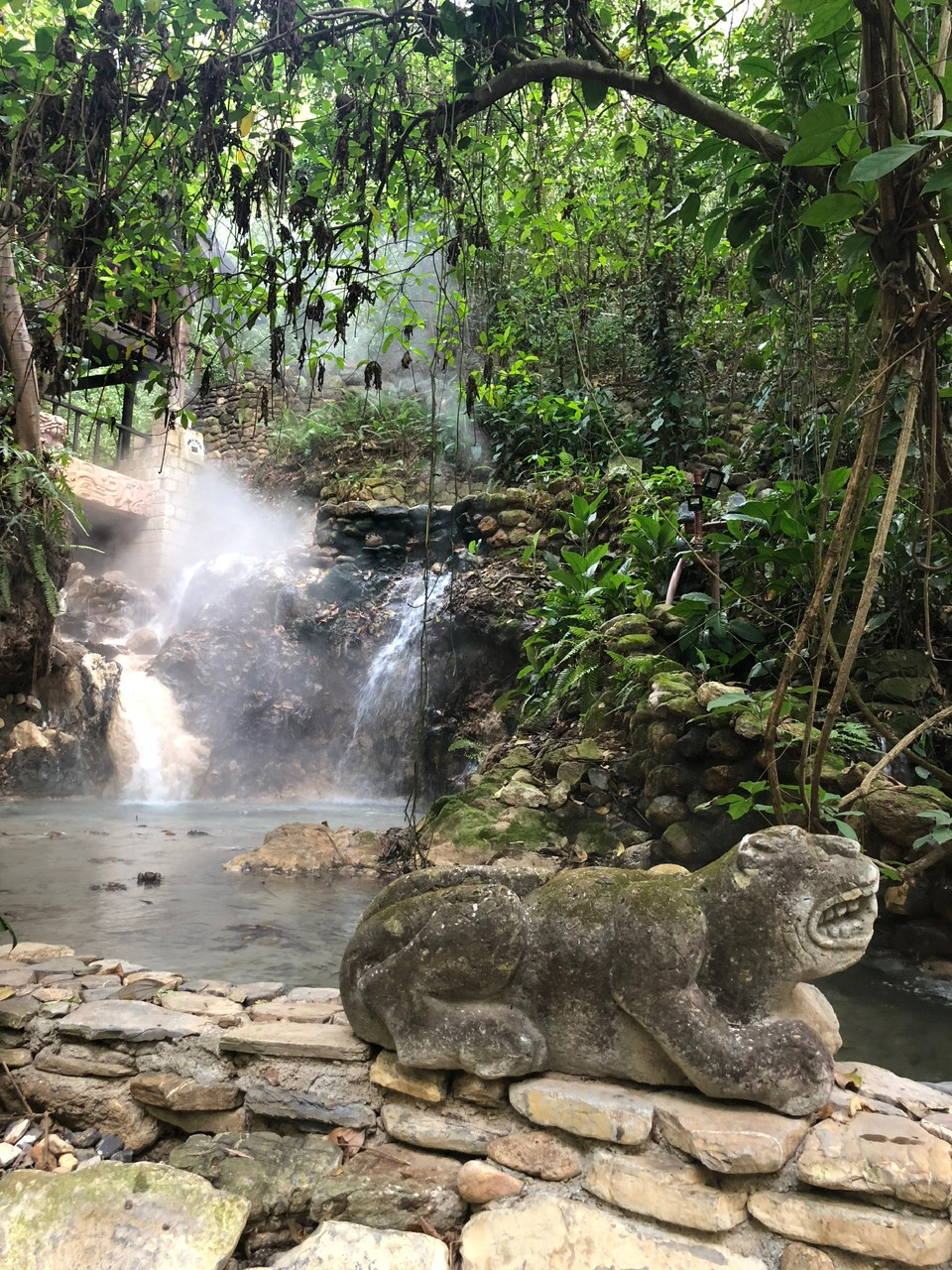
As well as ancient Mayan ruins and tasty locally made chocolate, mainland Honduras is also home to natural hot springs. The Maya considered hot springs places of healing and purification. Believing the geothermal waters possessed mystical powers, they were often known to build temples and bathhouses around them. It seemed only right that on our last day we decided to explore one of these mystical bathhouses. Luna Jaguar Hot Springs was chosen as it’s pitched as a ‘Mayan themed resort’, and there are a multitude of pools to explore, as well as soothing treatments such as mud masks, obviously we could not resit having some fun with those! Situated deep in the rainforest you do feel as if you have stepped into a time warp, and could easily imagine K’inich Yax K’uk’ Mo himself sat right next to you, soaking his worries away.


Next morning we were off pretty early on a ‘chicken bus’ across the border to El Tunco in El Salvador to continue our chocolate journey. What we saw along the route still puzzles me to this day, groups of people dressed in what looked like Hallowe’en costumes – ghoulish masks and rag-like attire over their normal clothes. We saw similarly dressed people again as we left El Salvador to re-enter Honduras on our way to Nicaragua. If anyone can explain to me what or who these people were I’d be really curious to know, my only assumption is that this was something to do with Semana Santa (Easter Celebrations in Spain and Latin America), as we were travelling through there during March 2018, but that still doesn’t really make any sense. I can’t wait to find out what this was about after all these years, please comment below if you know.


 The Adventures of Elle Coco
One thought on “A Honduran Interlude”