
After seven years living in New Zealand it was high time I visited some of the beautiful neighbouring Pacific island nations, famous for snorkelling and diving, surfing, relaxation, and more recently, cacao. Being early August it was still technically the middle of winter for New Zealand, so what better way to shake off the winter blues than head to Vanuatu for two weeks? On this beautiful Pacific archipelago we were lucky enough to meet up with a good friend of mine, Olivier Fernandez of Gaston Chocolate. He greets us with open arms at Port Vila airport, his cheeky grin and sparkling blue eyes a welcome sight after a surprisingly long trip from New Zealand.

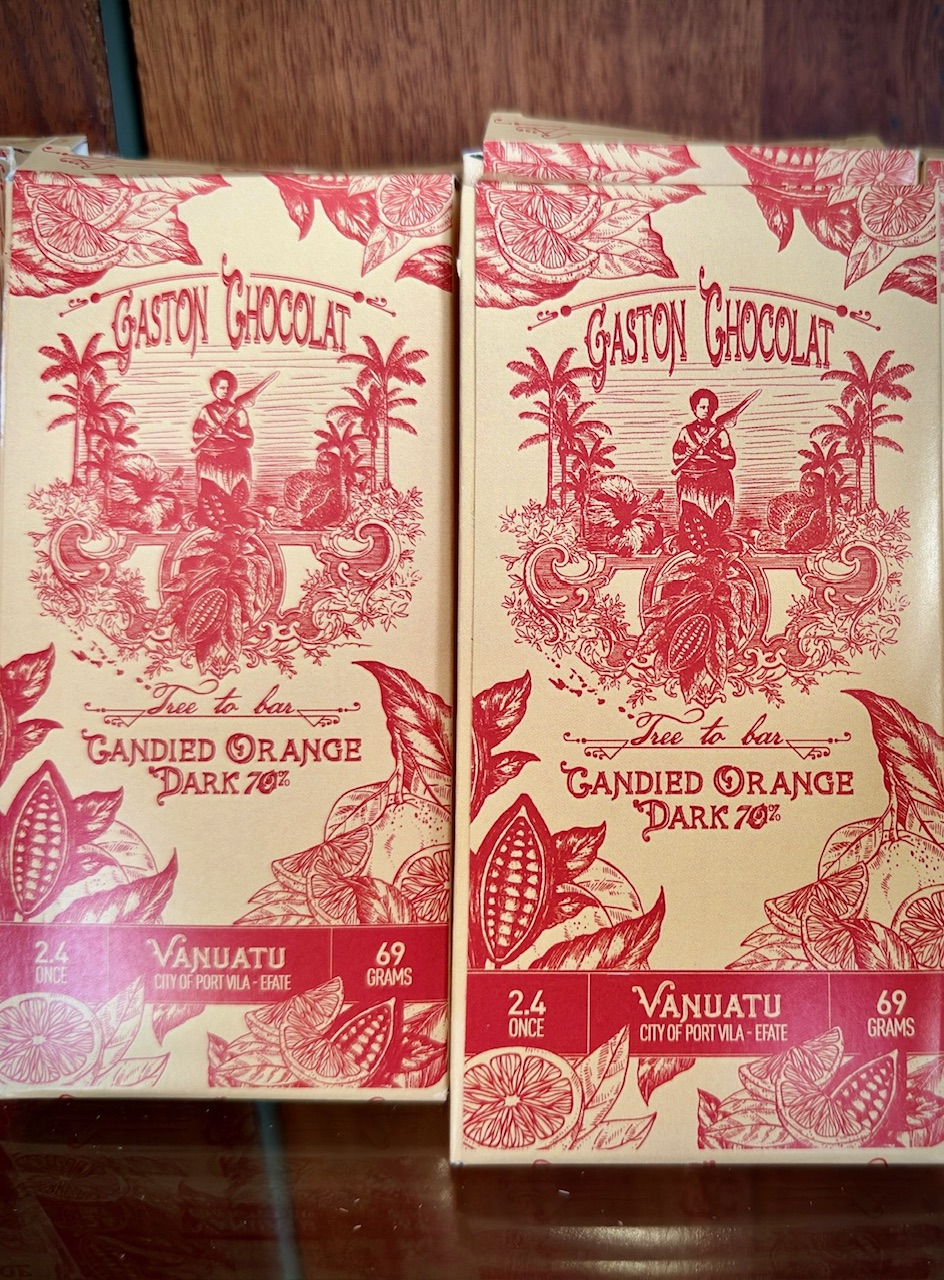
Olivier’s journey into chocolate has all the hallmarks of true adventure; love, quests, far off mystical lands, quick wit, entrepreneurial spirit, resilience in the face of significant weather events and natural disasters, and an unwavering commitment to and passion for the community he works with. You get a glimpse of that journey just in the packaging for his bars, all neatly displayed on their wooden shelving in his factory shop, inviting you to discover more of that hint of mystery, of wonder, of land yet to be discovered, just beyond the wrapper. Next to those bars sits a beautiful antique set of scales from his grandfather – Gaston – who he tells me not only was a huge inspiration to him, but is also who the company is named after.


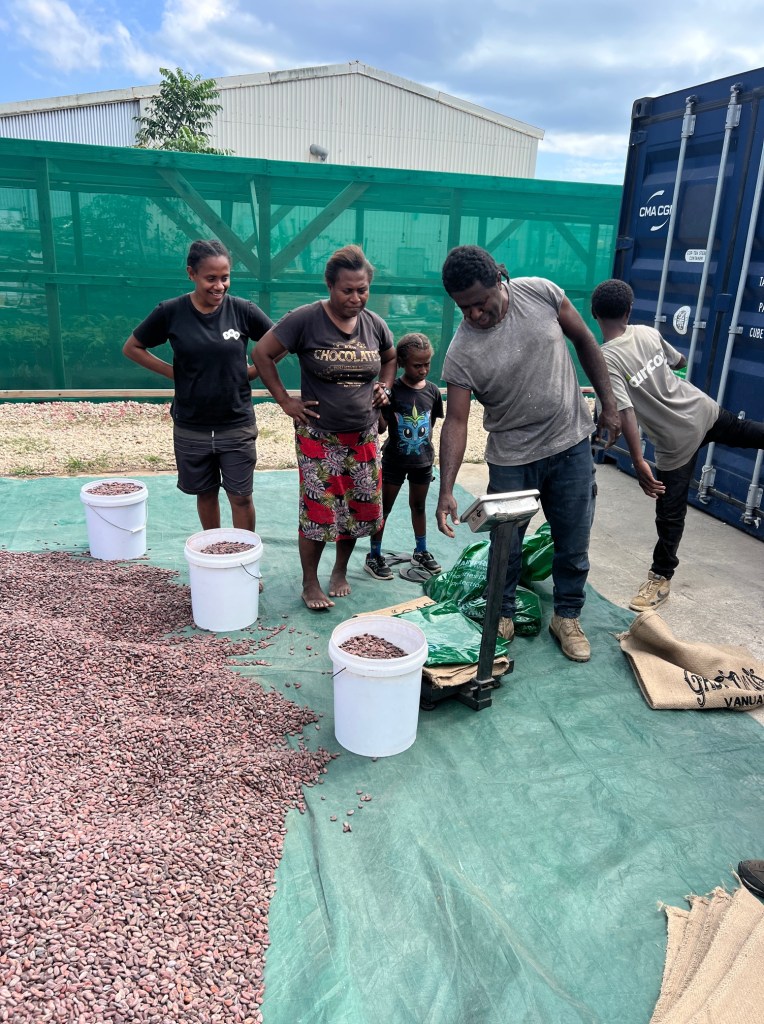
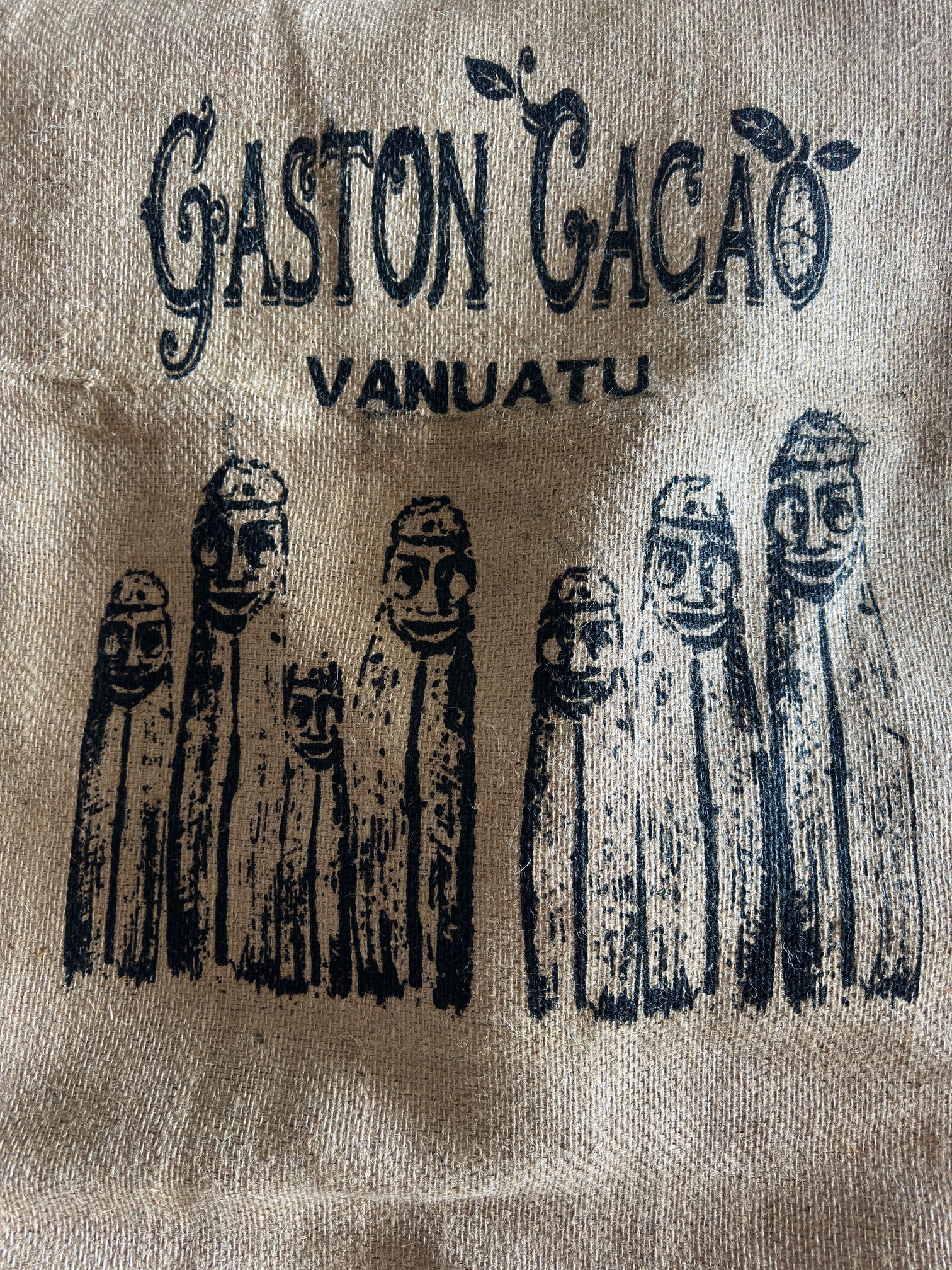
As we sit in the cool confines of the warehouse, sheltering from the heat of the midday sun, 25 bags of 64kg cacao sacks – the fruits of our labour all neatly stitched shut by hand – sit in front of us, as if watching as we peel back the wrapper on the story of Gaston Chocolat, the drive, the passion, community and friendship behind the brand.


A small-size bean to bar chocolate factory producing around 20,000 or so chocolate bars a year showcasing the versatility of Vanuatu cacao, Gaston Chocolat’s main business is in fact supply and export of specialty cacao to chocolate makers globally. Working with and growing food comes naturally to Oli; growing up on a farm on the French Riviera, his paternal grandparents were farmers, and his parents managed the family resorts. He worked kitchens and tended the gardens since a child, frequently experimenting with old recipes he found in the kitchen. Pair this idyllic food-inspired childhood with his background in trading and banking, taking a particular interest in commodities, and you have the perfect combination of experience for a French chocolate maker in Vanuatu.


After working for a time in London’s banking district, he followed a beautiful girl to Vanuatu in 2009, and now nearly two decades on and he is happily settled in the 83 island nation. Initially trading in Vanuatu commodities including cacao, he later began working with a local NGO, co-developing his first chocolate project. This was a rustic-finish chocolate with low processing from machinery, a great way of showcasing minimal process chocolate, a first try he says, to learn how to process cacao, and test how the Vanuatu market would react to it. Moving on from that project in 2016 he felt there was more to cacao and chocolate, and set his sights on refining the quality of the cacao he was sourcing. Back then quality was very erratic – ranging from ‘super good’ to ‘pretty bad’. Pairing these inconsistencies with his limited knowledge of the possible root cause set him on a quest; to discover how he could get a more constant and consistent supply of quality beans. This he tells me, was the origin of Gaston Cacao. Over the next 8 months Oli split his time between Efate island where his factory was, and Malekula island where the cacao is grown, testing and implementing changes both out in the field and back at the factory making the finished product. All the while learning what made good cacao vs bad, and channelling all that focus and new found knowledge into what he could do to fix the process, ensuring a more consistent and higher quality cacao as a result. It is this focus that got his first batch of cacao and the very first bars of Gaston Chocolat produced in October 2017.
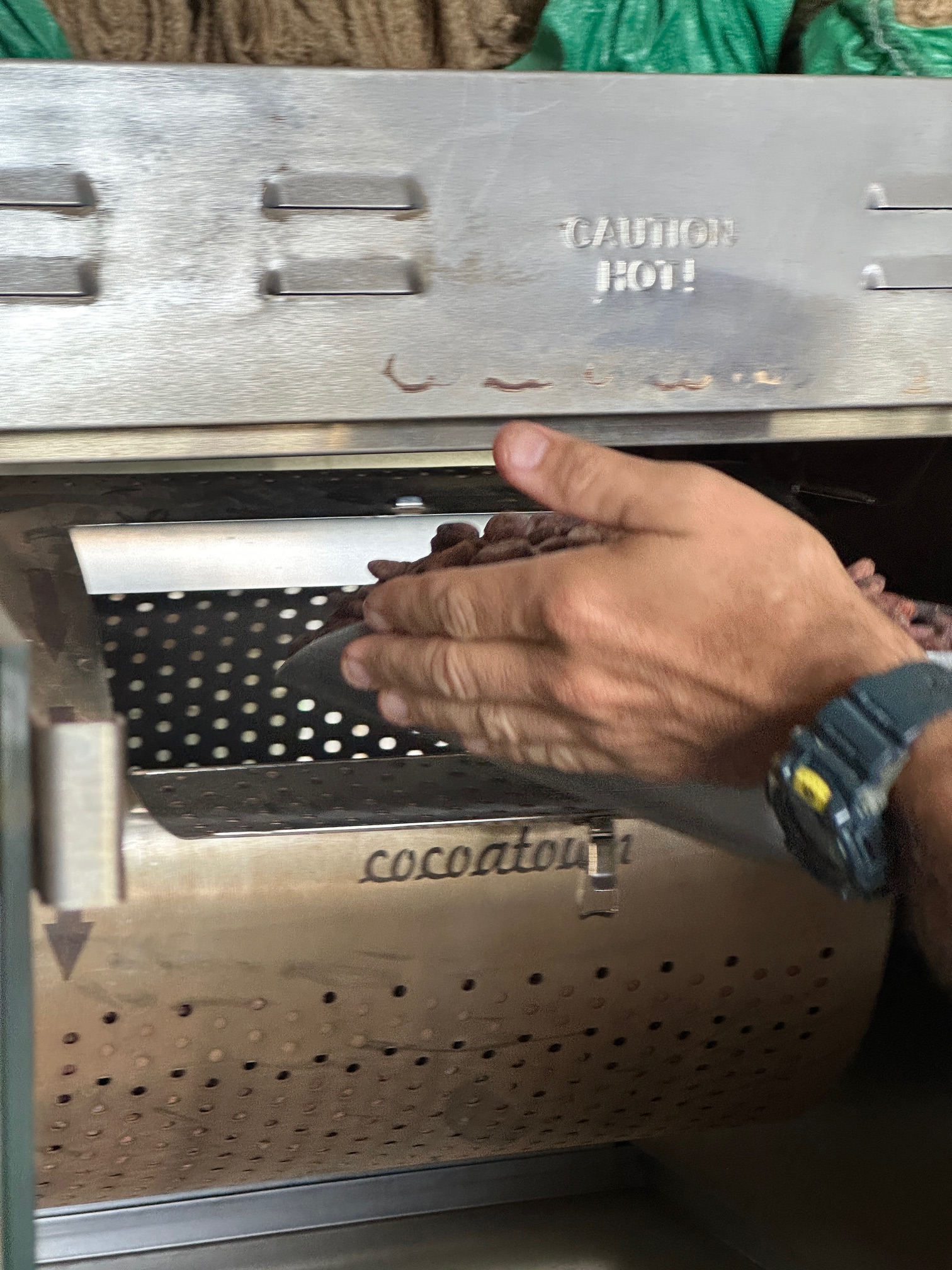
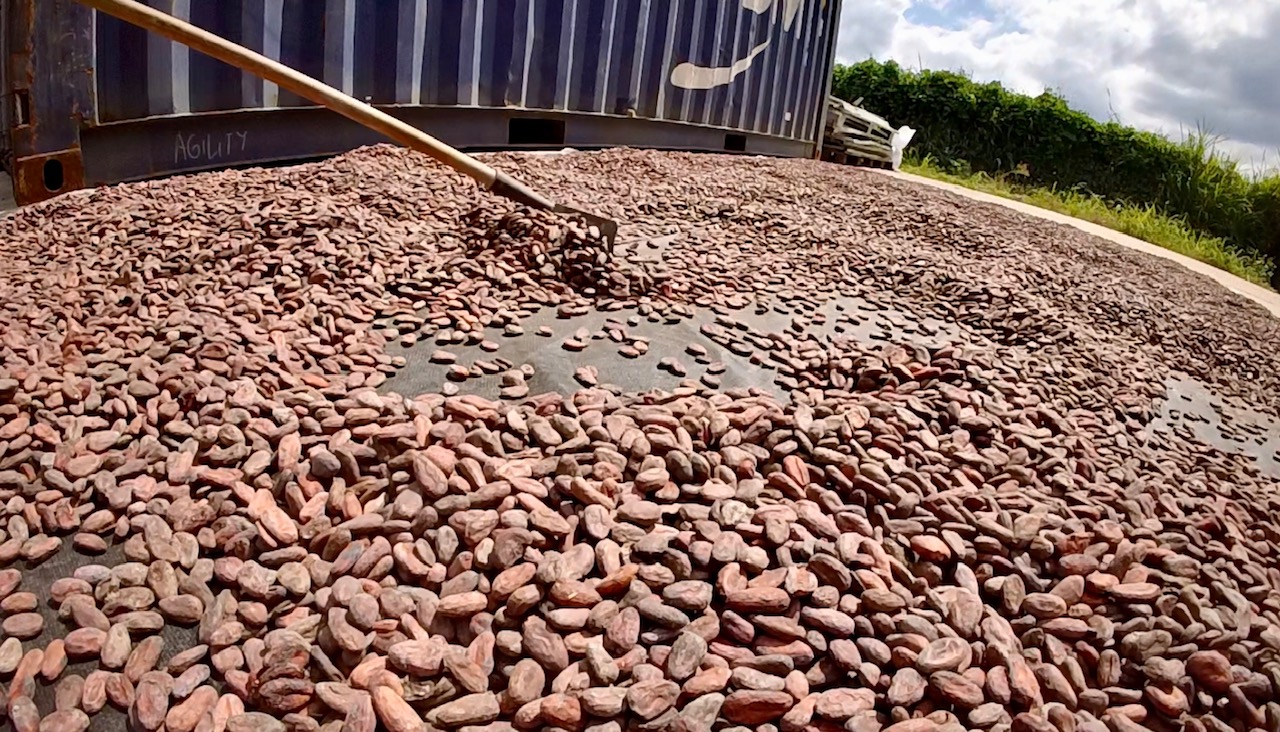
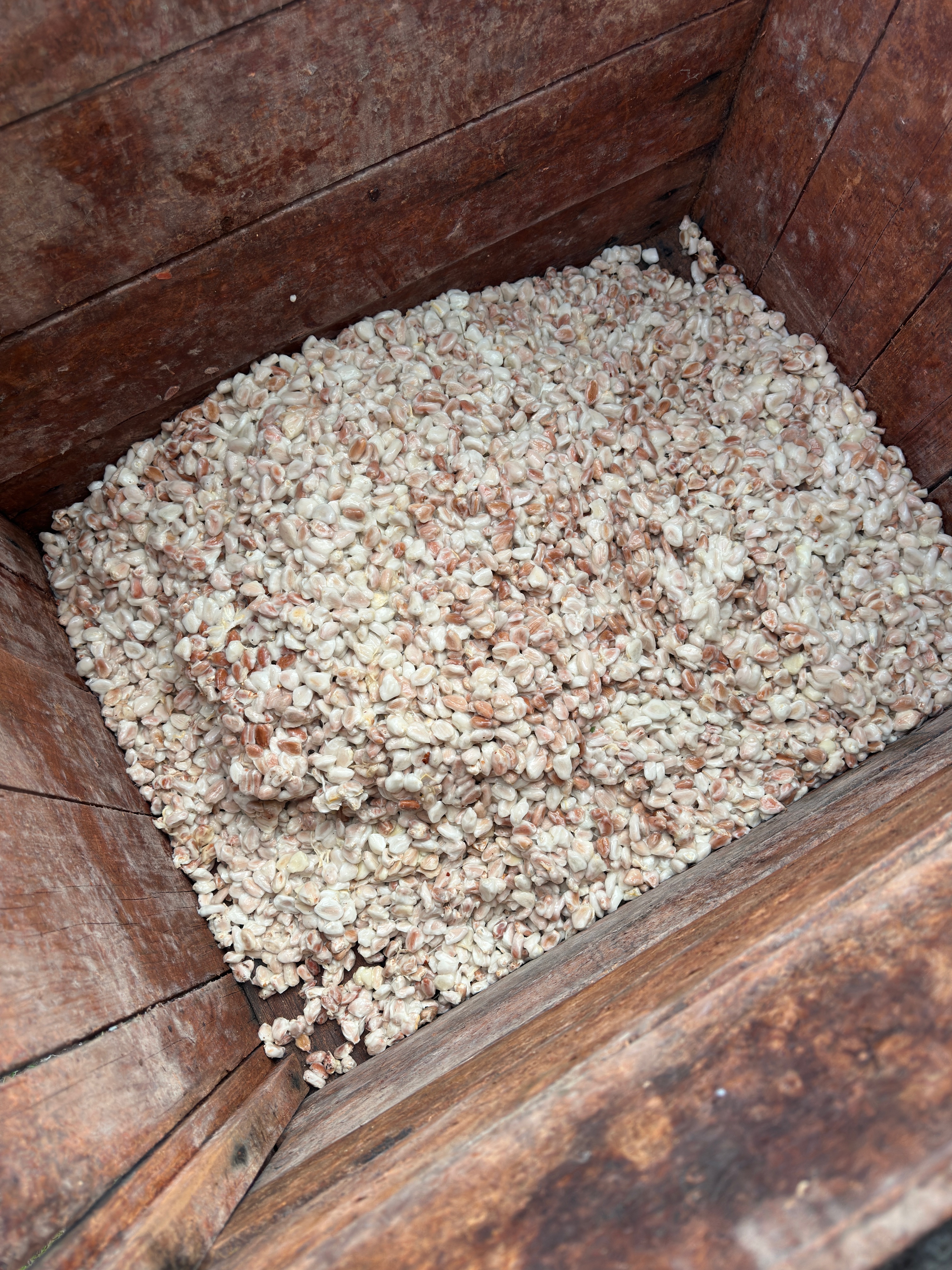
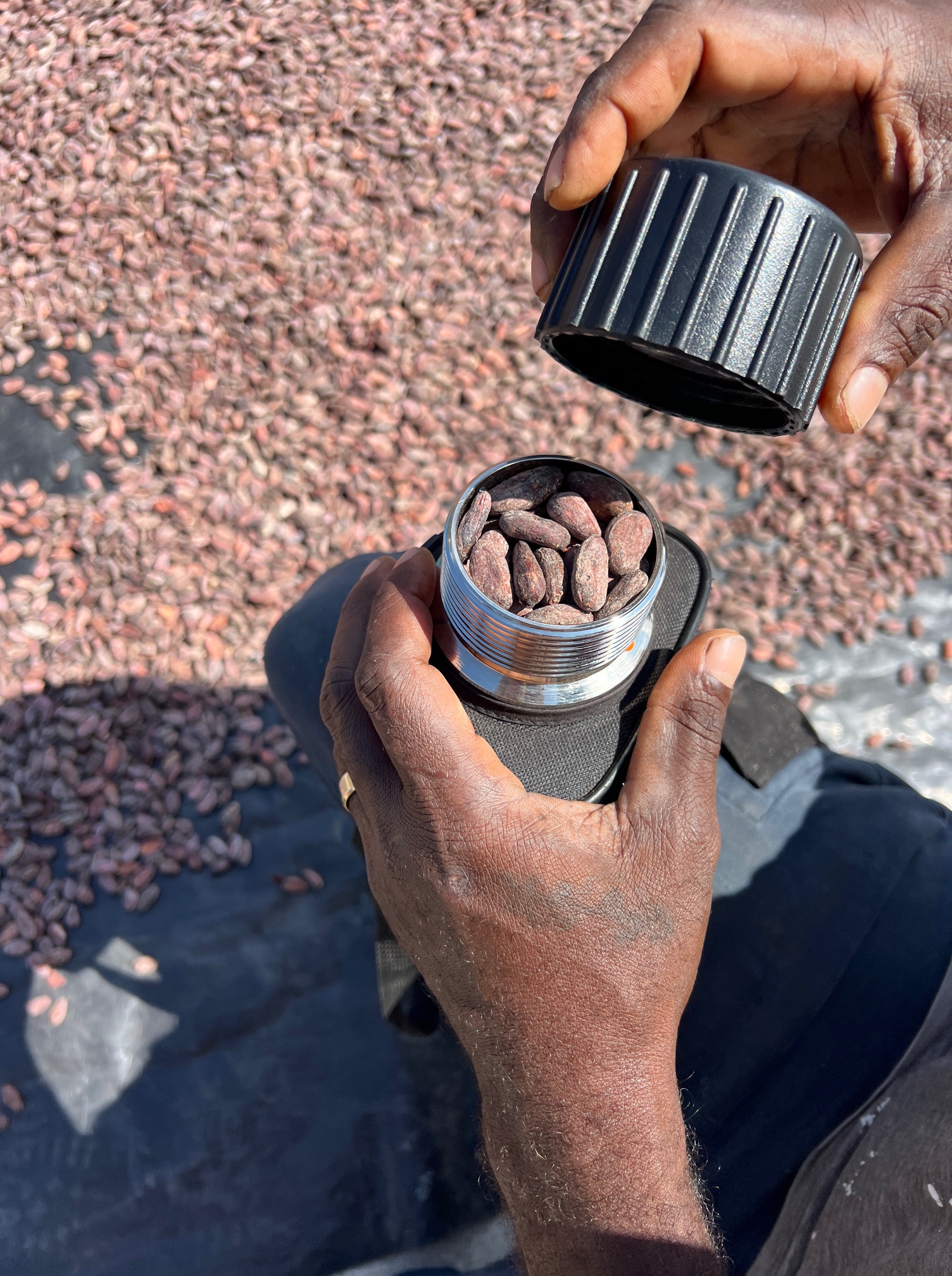
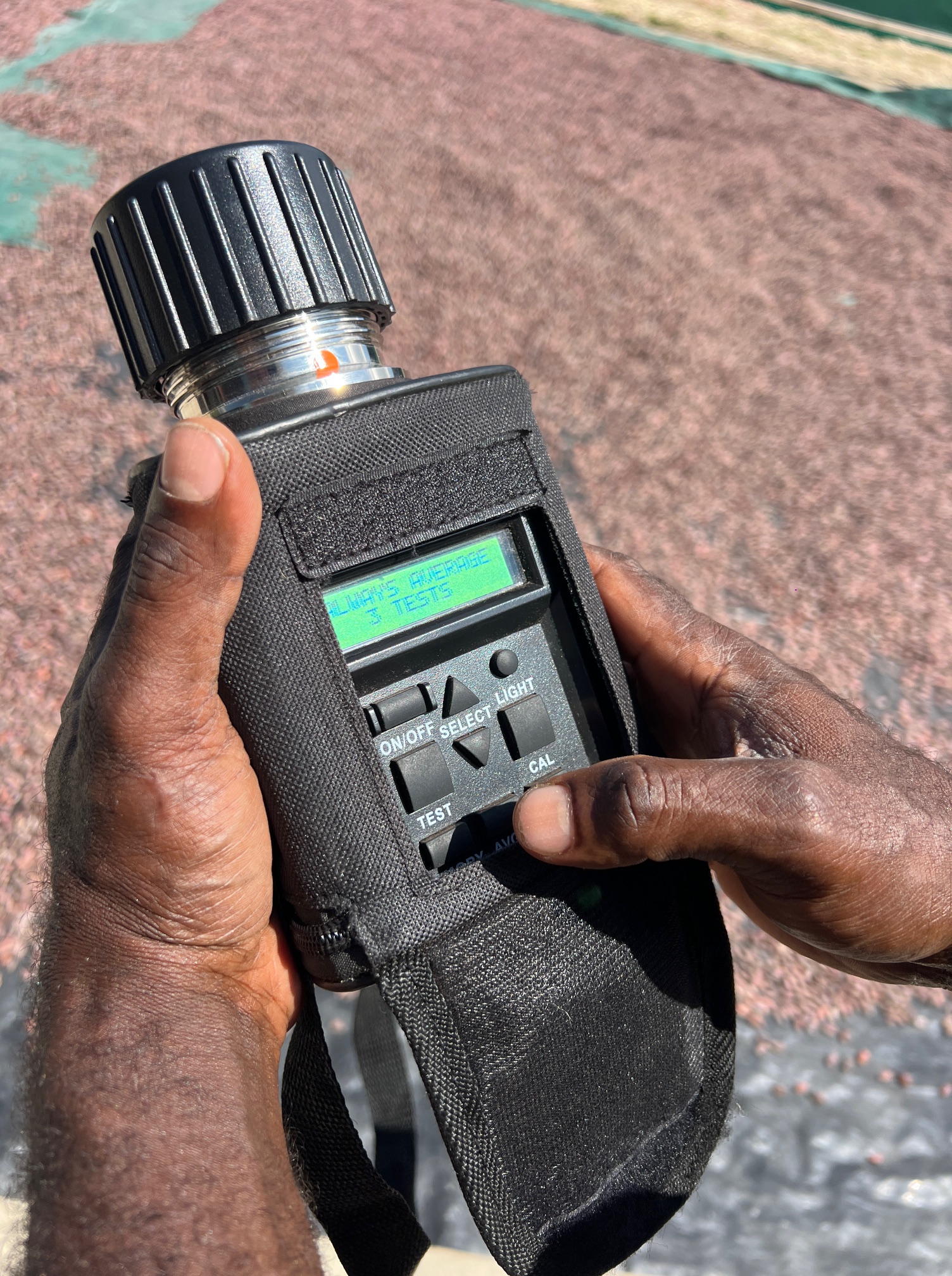
But why this quest into the cacao farms of Malekula on a small archipelago in the Pacific? I was curious to know. Oli tells me he never had preconceived notions of the chocolate industry, or food industry in general, just a curiosity and willingness to learn. Like me, he had struggled with the idea of not knowing where much of the food he was eating came from, mysterious unpronounceable ingredients on the labels, and what they were there for. A firm believer in the truly fair trade and sustainable side of the food narrative from the beginning, he wanted to see how he could implement that in Vanuatu to make a difference for the communities growing cacao. This desire to discover more was sparked after a visit to someone Oli cites as one of his biggest inspirations, Stephane Bonnat of French chocolate dynasty Chocolaterie Bonnat. Towards the end of his time on the first cacao project, Oli reached out to Stefan asking for feedback on the beans and cacao from Vanuatu. Lucky for Oli, Stephane was home on convalesence in France after an injury and invited him over to his factory, himself curious to learn more from Oli about this origin he had not previously explored. The key piece of advice Oli left with from that visit, words that have stuck with him to this day, are words he admits Stephane may have forgotten all about; ‘You want to make a good chocolate, you have to make a good cacao, so get back in the field and learn to make cacao’ . These words set Oli on his quest, the journey to make some of the finest cacao through working directly with farmers on Malekula, perfecting the processes and techniques required to make fine flavour cacao for export. While this is still a small market in the grand scheme of things, exporting around 80 – 90 ton a year, processing 200 ton of wet beans, he feels this is where the change will happen, and this transformation is already being seen in Pinalum. Another significant inspiration for Oli, one who he cites as a major influence in helping him grow up in the industry over the last 3-4 years is the mastermind behind Cacao Services – Dan O’Dougherty, now a firm friend and his importer to the US market. Dan is renowned in the industry for his wealth of knowledge on cacao and the capacity to translate that into practical things out in the field. It is knowledge and mentors such as Dan that Oli is eternally grateful for. Those who know him, know Dan is a wizard when it comes to beans, processing and the latest technology, and it is thanks to him that Oli’s business partner Roy over on the Malekula farm is now using the moisture metres and censors out in the field and back at the warehouse.

Oli acknowledges intentions and expectations, while well-meaning, have to be carefully managed, especially out in the field. He always asks himself, when looking at any process ‘Does this benefit me, and if so, is it thoughtful and meaningful for the farmer, does it benefit them?’ Something he stresses, is incredibly important to him and often too easily ignored in the wider industry. For him, the importance lies in understanding who he is working with, what are they trying to achieve, and does it align with his own goals. One of those goals was to make a difference with Gaston, not just by processing really good chocolate and achieving a higher quality, but also for it to make sense for and benefit the farmers. In his own words ‘You don’t fix things by making chocolate here [Vanuatu], you fix things by exporting cacao’, and it was this shift to export and supply of fine flavour cacao to chocolate makers, that he really began seeing a positive impact for the farmers. The journey has not been without the challenges he sometimes faces being seen as the middle man, because in his words ‘I am the white guy in a foreign country and the story they [the maker] wants to show is more the local farmer, the one with the dark skin…but none of this would happen if there was not a strong trust, a friendship, a symbiotic relationship between me and Roy….It is the fruit of our work together that makes the quality…It is that relationship that makes it work.’ Despite these challenges in educating some makers on the unique relationships here at Gaston Chocolat, the positive impact of those relationships is clearly visible, in the higher prices paid to farmers, in the investment put into the local community, and the farming crew, originally 12 farmers the first year, now 367 at last count, all in and around Pinalum and other parts of North West Malekula.
It’s stories like this that show a way through the ‘global cacao crisis’ that is still on the lips of many in the industry today, two years on from when the prices first started skyrocketing, sometimes going up 2 -3 fold. Reports on the cause are varied, citing poor harvests in major producing regions like West Africa as contributing factors, due to severe weather, disease, underinvestment by poorly paid farmers, climate change, deforestation and in some cases illegal gold mining damaging crops and land as contributing factors to the crisis. Furthermore, very few producing countries have been planting new trees, sticking more to the extractive model, since $3,000 per ton of processed cacao was often still not viable for most farmers to do more than just pull wet beans off the farm, a problem seen on Vanuatu as well. Yet the demand for chocolate continues to increase at a double digit pace in most consuming countries. While many see this as a crisis, Oli sees this as an opportunity to expose of the wrongdoing that has gone on for decades, and work to put things right, to educate all stages of the supply chain, and all those involved in it, including the consumer ,on why the prices are higher. What if the consumer could start considering chocolate the same way they do wine? A square of fine flavoured chocolate is equally, if not more satisfying than a whole bar of purple or gold wrapped commercial chocolate. With a cheap bottom shelf supermarket wine you’ll get your wine buzz, but you won’t really get the flavour or fineness of a finer bottle. As for chocolate, some will still balk at a $15 (NZD) price point for a bar of chocolate, but when it comes down to it, what is actually going back into the pockets of the farmers and the makers really is not that much. Oli’s wish? That more people understood more about the work that goes into the cacao industry and the work that goes into making the bars. What could the story be like if the price stays around $7,000 to $10,000 per ton I ask? He feels confident with the right approach that we would see revived farms ‘…farmers starting their own nurseries, new fields completely cleared to plant more cacao because they want to harvest more, and love being given to the trees.’ If there is a high price for sustainability and education, then quality and flavour is improved, it’s a win win for all – except possibly the margins of the big high street conglomerates, and your supermarket candy bars.


Back on Efate, perfecting the bean to bar process with his own beans, it wasn’t long before these bars started picking up international awards, including silvers awarded by the internationally renowned Academy of Chocolate, this was a huge boost for Oli, as he tells me not being a born chocolate maker he often had his doubts about his own validity in the industry. But with awards not only for his own bars, but from other well renowned world class makers using his beans; Goodnow Farms, Dick Taylor, Sirene and Soma, indicates they are moving forwards in the craft. A further positive from this that gives him great joy is New Zealand makers, including Foundry, Coromandel Chocolate, Baron Hasselhoffs and Wellington Chocolate Factory are taking interest and producing beautiful bars with Pinalum cacao. He hopes others in the region will take note, and discover they are no longer a second grade cacao region, but a specialty fine flavour cacao origin pretty much on the doorstep for Australia and New Zealand. Despite these successes though, the forever humble Oli is determined to remain earthed, and never start flying too high, with a big head.



Vanuatu is a great place to keep you earthed and grounded, predominantly due to the impacts of natural disasters and climate change known to plague the country. Oli is keen to stress the climate changes he has noticed over the past two decades he’s lived on the islands. From his 17 years in Vanuatu, he’s gone through 3 Cat 5, 2 Cat 4, and a large number of Cat 3 cyclones often causing wide spread damage and disrupting logistics for several months. Acknowledging climate change has arrived, since frequency of these events has significantly increased during his time, Oli has started leaning into this hard. Most of his recent reading of the past 3 years focuses on how to design cacao farms to cope with the changing environment, to build and rebuild plantations and future-proof farms against the severe weather events. Insurance is also a challenge, given it is only really an option for Port Vila, so although the warehouse we are sat in for this interview surrounded by cacao beans is insured, the farm on Malekula where the beans have been grown, harvested, fermented, and dried is not. So Oli shoulders a lot of this risk himself, acting as both banker and insurance broker for many of the farmers, as well as lending a good ear for when they have other challenges they wish to discuss. He also takes a strong position on the social angle, becoming B Corp certified, implementing full transparency across the company and working with several donor programmes and agencies. A whole range of skills, he tells me with a chuckle, he did not foresee when he first thought of starting a business. But he stresses this is what enables the company to still be here today, relationships forged through hardships are the ones that endure, and sometimes during those hardships people are most willing to help. That is what makes the adventure much more human and real for him, that all or nothing approach, and the need to value and respect the actual closeness to the cacao and the people growing and supplying it. In his mind, this is what Gaston’s success is built on, if only the common economic capitalistic metrics were used to measure the business then we would not be standing in the warehouse today.
His biggest lesson for others? ‘Never take the preconceived ideas for anything else than preconceived ideas’. He points out he and the company have proved people wrong many times over the years, but that a conscious decision to measure his success on a range of impacts and ensure he had the right metrics in place, meant he was never lost down the wrong path along the journey, and learning to be open and accepting enough to listen to critics was what propelled him forwards, even when that feedback was sometimes delivered in a less favourable way.
While Oli is just one person in the great tapestry of chocolate and cacao, the lengths and effort that he has gone to to develop the industry here in Vanuatu is nothing short of inspiring. From training the farmers and joining forces with Roy and Lilly working with him in the production kitchen, offering insurance to farmers, future-proofing cacao farms, and even investing in the Pinalum football team. Highlighting that friendship, respect and connections run deep, and it really does take a village like Pinalum and a French chap named Oli on a small island nation such as Vanuatu to grow some of the world’s finest cacao.


 The Adventures of Elle Coco